
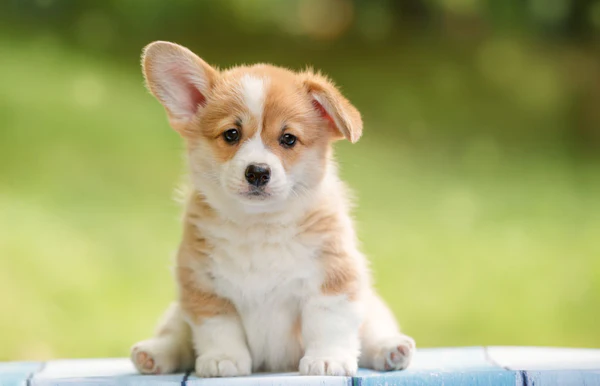

Dogs may not speak our language, but they are excellent communicators. With many body-related signals, humans can often read canine emotions. By deciphering their body language, this article will help you build a strong bond with those furry companions.
At the beginning, canine body language needs to be interpreted as a whole rather than through a single body part or signal . For example, tail wagging, contrary to popular belief that is an obvious sign of happiness, may indicate fear and uncertainty if the movement is at a low position. Although dogs’ behaviors can be affected by age, breed, personality and situation, we can interpret their emotions through common factors.
Relaxation – Happiness
The most well-known movement representing this feeling is gentle tail wagging with broad, relaxed movements held at neutral height. Also, a relaxed dog will have a loose, soft, wiggly posture and tension-free face accompanied by others signs:
- Ears: Upright or held in their natural position ( straight standing with pointed ears and slightly forward hanging with floppy ears)
- Eyes: Soft
- Head: is cocked with neutral forehead (without wrinkles)
- Mouth: closed without tension around the lips or opened in a relaxed pant
When dogs are happy, they show similar body languages with higher intensity. There is a posture called a “play bow” – they might lower the front half of their body while raising their bottom in the air, which means: “I want to play”.
Dissatisfaction
In this part, canine’s discomfort can generally be divided into three stages .
Phase one is often called “appeasement”, which is the least serious. At this stage, dogs have to face slight stress, however, by appearing small and as less of a threat, they are trying to avoid conflict. Before the negative situation escalates, it is vital for people to recognize these warning signs including:
- Ears: Low
- Eyes: Avoiding eye contact, blinked and squinted with furrowed brow
- Head: Low and turned away even their body
- Mouth: Tension in muzzle without teeth showing – looks like the dog is smiling. Some times, yawning and lip-licking
- Tail: Tucked or held low and moving in a slow, tight wag
At phase two, the level of stress increases with the appearance of fear and frustration. This is the result of particular threatened situations or previous signals being ignored. The calming behaviors appear very common at this stage because dogs confront the decision to fight or run away:
- Ears: back or flat against the head
- Eyes: Avoiding eye contact, Bulging, showing whites
- Head: Low and turned away even their body
- Mouth: closed, Licking lips or yawning excessively
- Tail: Tail between legs or still
- Motion: Pacing, shaking or trembling, cowering, lying down with leg up, showing belly, raising front paw with muscles tense
In this final stage, dogs may begin to act defensively or aggressively . A dog showing this body language is ready to react to a stressor so it is very dangerous to approach a dog in this situation. Although aggression can appear in different forms, they include some common characteristics:
- Ears is considered depending on two scenarios:
- A fearful dog will typically hold their ears back and against their head
- An assertive, confident dog will prick their ears forward or to the side
- Eyes: fixed on the stimulus with a hard, unwavering stare, with wrinkles across the forehead.
- Mouth: tension around the mouth, wrinkles across the muzzle or a raised upper lip, raised upper lips to expose the teeth.
- Tail: Again, you will need to take a dog’s whole body into account here because of two different situations:
- A fearful dog may hold their tail low or tucked before an act of aggression but raise it during the act
- A confident aggressive dog may hold their tail high above their body, and it will possibly be twitching from side to side in a tight wag
- Motion: Growling, barking, snapping, biting or moving away
Alert
This alert behavior occurs when a dog assesses its surroundings. This response is commonly be seen from hunting, police and guard dogs:
- Ears: Perked up and pointed forward (look at the base of the ear for floppy-ear breeds)
- Eyes: Wide opened and focused with a neutral and relaxed forehead
- Mouth: Closed without tension at the lips or around the snout
- Tail: Extended from the body, even with the spine and possibly wagging slightly
Through observing these canine signals as a whole, you can better understand your pets appropriately in different situations.